




What is the Difference Between Sieve Bend Screen and Wedge Wire Flat Panel
Wedge wire sieve bend screens and wedge wire flat panels are both designed for dewatering and sizing,they operate on completely different principles and serve different needs. Choosing the wrong one can lower your efficiency and increase your operational costs.
1. What is a Sieve Bend Screen?
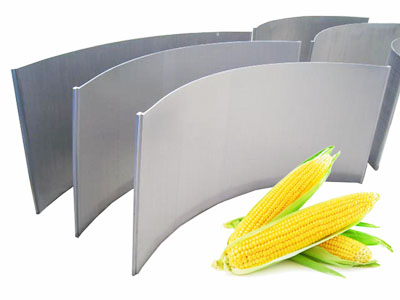
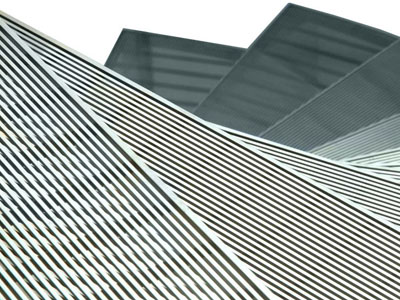
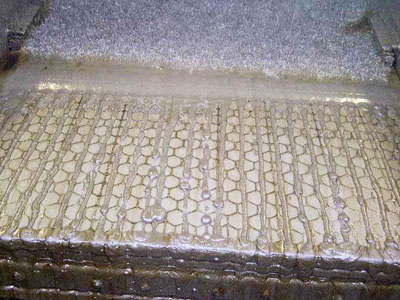
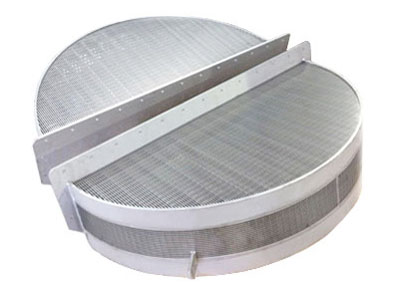
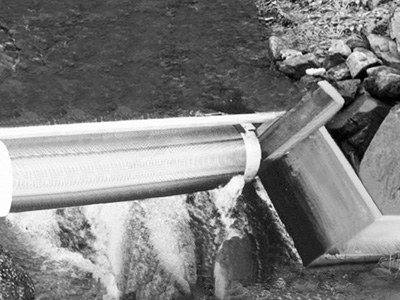
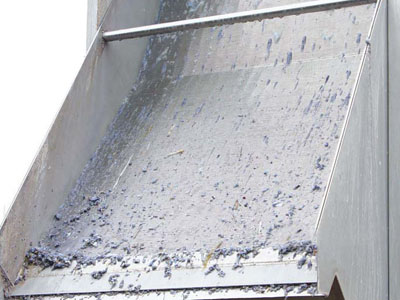
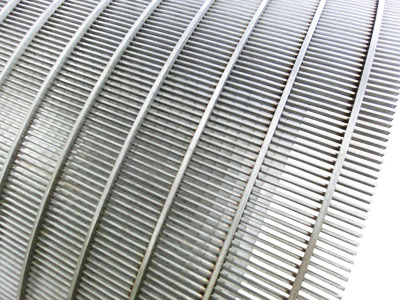
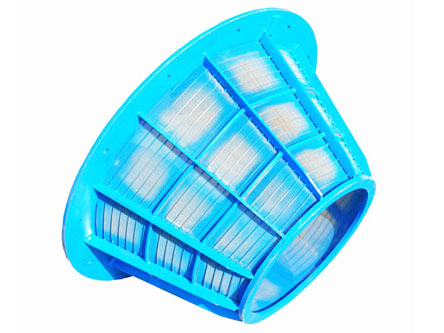
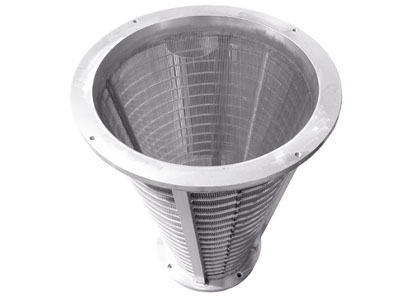
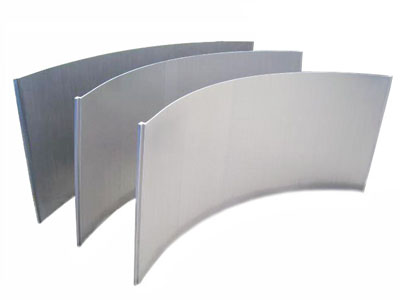
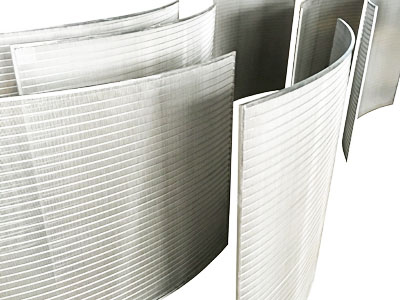
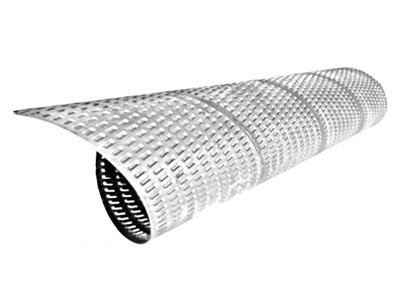
A sieve bend screen (also widely known as a DSM screen or a static unit) is a curved wedge wire panel. It is designed for high-efficiency, liquid-solid separation without using any electricity.
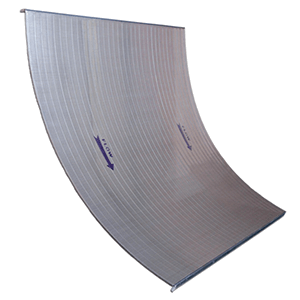
How It Works
The sieve bend relies entirely on gravity and flow dynamics:
Liquid slurry is fed from the top and flows down the curved (concave) surface.
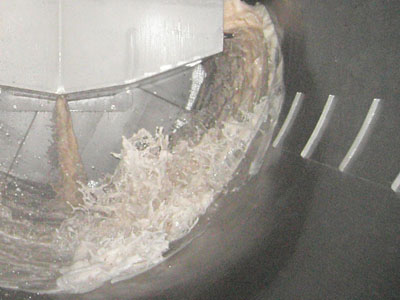
As it moves, a natural physical phenomenon called the Coanda effect takes place. This effect causes the water or liquid to hug the curved wire and pass through the small slots.
The solid particles cannot fit through the slots. They continue sliding across the screen and drop out safely at the bottom.
Key Features & Performance
Zero Power Consumption: Because it runs on gravity, it has no moving parts and requires no electricity.
High Throughput: It handles large volumes easily. A typical unit can process 1 to 3 cubic meters of slurry per minute for every meter of screen width.
Important Specifications: When ordering, key parameters include the radius of curvature (usually 500 mm to 1500 mm), radian,arc length, width,slot size.
2. What is a Flat Panel Screen?
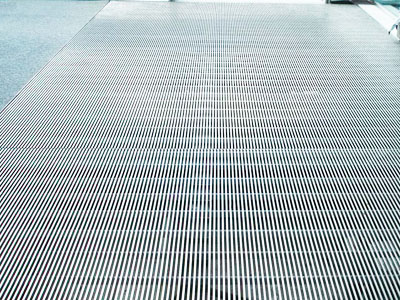
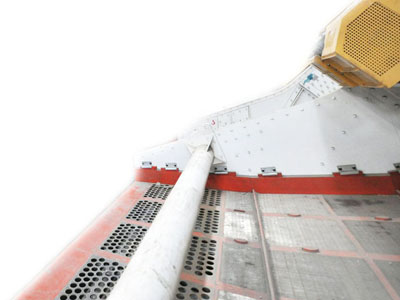
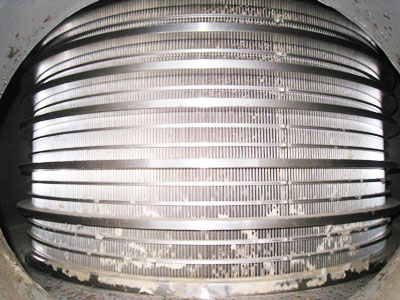
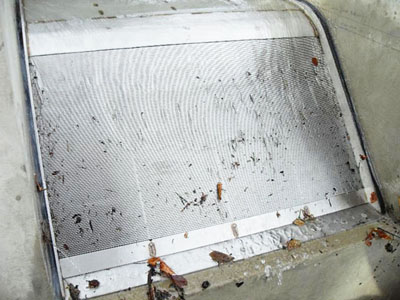
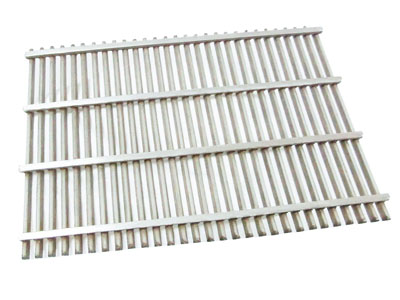
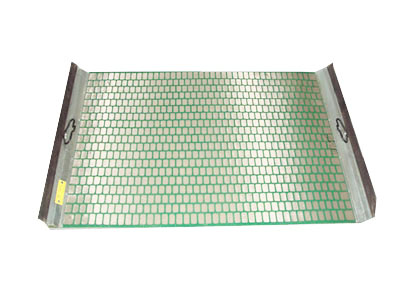
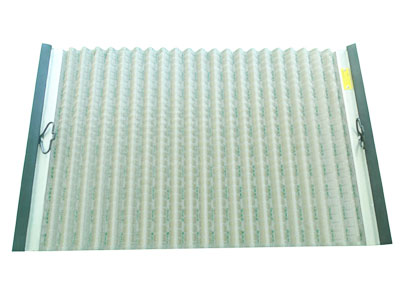
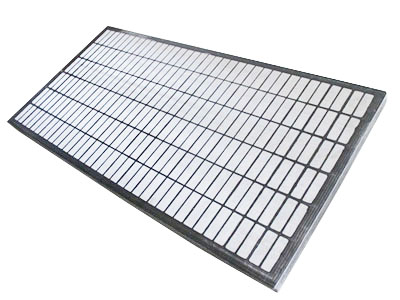
A flat panel screen is a flat, rectangular wedge wire surface. Unlike sieve bends, these screens do not rely on a curved shape or flow dynamics to do the work. Instead, they are usually mounted on mechanical machinery or flat platforms.
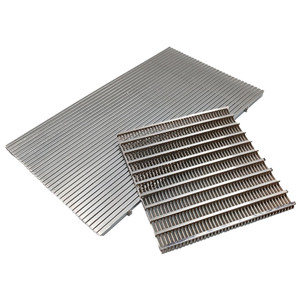
How It Works
Flat panels rely on mechanical vibration or straight gravity draining to separate materials.
When installed on a vibrating machine, the heavy vibration bounces the material across the flat deck.
The smaller particles or liquids fall straight through the slots, while the larger sized materials move forward along the flat surface.
Key Features & Performance
Built for Vibration: Because these panels experience constant shaking, structural strength is critical. Manufacturers must carefully calculate the spacing of the underneath support bars to ensure the screen does not crack under heavy vibration loads.
Great for Grading: They are perfect for sorting dry or wet materials into exact sizes.
3.Sieve Bend and Flat Panel Comparison
Feature | Sieve Bend Screen (DSM) | Flat Panel Screen |
Shape | Curved | Flat |
Power Needed | None (Uses gravity) | Yes (Usually requires a vibrating motor) |
Moving Parts | No | Yes (When mounted on shaker decks) |
Main Principle | Gravity & Coanda flow effect | Mechanical vibration or static draining |
Advantage | High-volume fluid removal | Precise sizing and structural strength |
4. When to Use a Sieve Bend
You should choose a sieve bend screen if your project involves a gravity-fed system where you need to remove large amounts of water from a mixture quickly.
Best Applications:
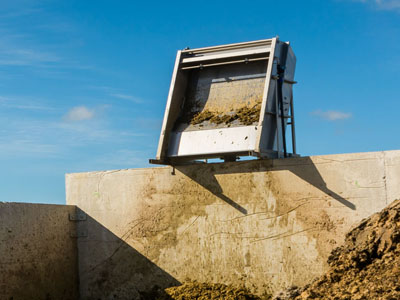
Dewatering industrial slurries
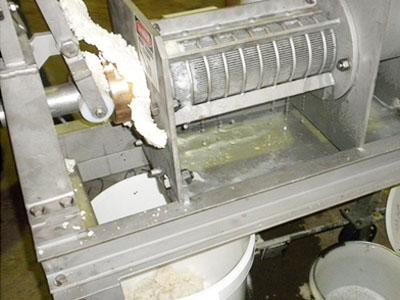
Starch extraction processing
Sugar juice filtration
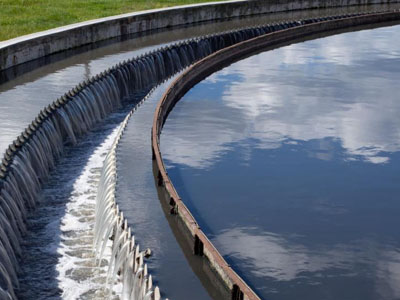
Wastewater treatment plants
Choose this when you want high-capacity processing with zero electricity costs.
5. When to Use a Flat Panel Screen
You should choose a flat panel screen if your material needs to be sorted by exact size on a machine, or if you need a strong, flat drainage floor.
Best Applications:
Vibrating screen decks and shaker tables
Mineral sizing and coal grading
Static drainage platforms
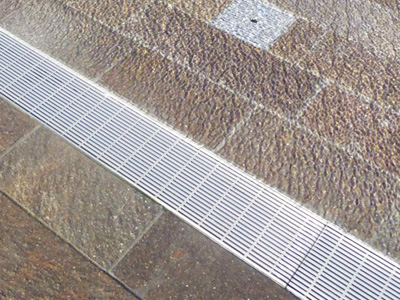
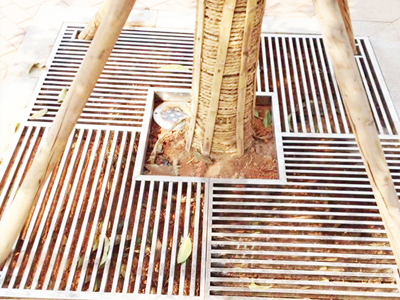
Architectural floor grates or intake screens
Choose this when your system needs a flat screen or must handle heavy vibration
The Ultimate Rule for Choosing
If you are still unsure which screen is right for your facility, simply look at your feeding method:
If your material flows by gravity across a curved surface, you need a Sieve Bend.
If your material sits on a flat surface that shakes, you need a Flat Panel.
Get an Expert Recommendation
Every processing line has unique challenges regarding flow rate, material abrasiveness, and space limitations. If you need help calculating the perfect slot size, wire profile, or panel dimensions for your project, contact our engineering support team today for a custom quote!