




How Sieve Bend Screens Prevent Clogging in Livestock Wastewater Treatment
In modern animal husbandry, efficient management of manure and wastewater is both an environmental necessity and an operational challenge. Raw livestock wastewater contains high concentrations of coarse suspended solids, including undigested fiber, animal hair, feed residues, and bedding materials.
If untreated, these solids cause severe clogging, rapid sludge accumulation, and pump failure in downstream anaerobic digesters, and wastewater treatment plants.
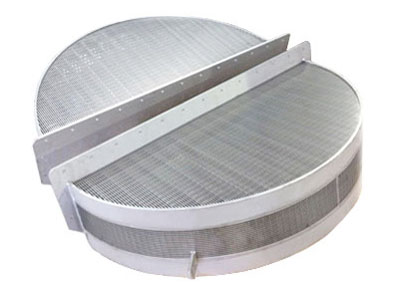
The Static Sieve Bend Screen serves as the indispensable first-line mechanical solid-liquid separation equipment. By capturing coarse suspended solids prior to biological or chemical processing, sieve bends reduce system load, safeguard mechanical equipment, and enhance overall resource recovery in modern biogas and organic fertilizer projects.
Why a Sieve Bend Screen is Essential for Pretreatment
For the majority of livestock farms, passing raw slurry directly into holding tanks, anaerobic digesters, or filtration systems leads to three problems:
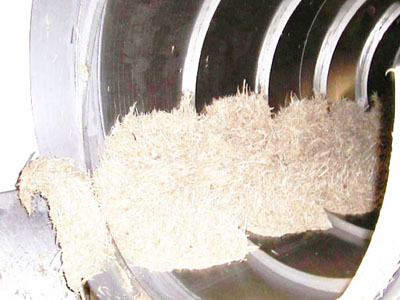
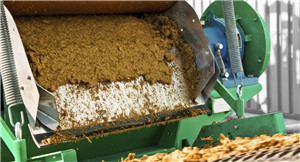
Pipeline & Pump Clogging: Fibrous materials and animal hair intertwine around impellers and valve seats, causing high failure rates and excessive maintenance downtime.
Bottom Sludge Sedimentation & Crust Formation: Dense fibrous solids settle at the bottom of digesters or float to create thick surface crusts, reducing effective digestion volume and suppressing biogas output.
Decreased Downstream Processing Efficiency: Excess organic solids elevate chemical oxygen demand and total suspended solids, increasing chemical dosing costs and operational loads in secondary treatment stages.
Installing a static sieve bend screen at the system inlet extracts the majority of non-biodegradable or slow-decomposing coarse fibers before they can impair downstream biological units, cutting operational maintenance costs significantly.
How a Static Sieve Bend Screen Works
The operational strength of the sieve bend lies in its hydraulic physics. Unlike rotary drum screens or vibrating separators, static sieve bends operate entirely on continuous gravity flow, eliminating complex driving mechanisms, gearboxes, or power-consuming motors.
The Separation Process:
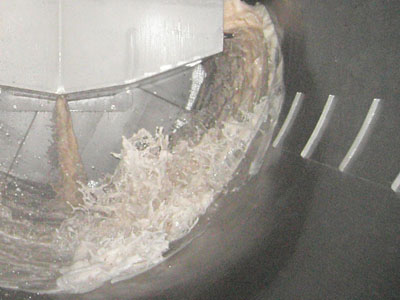
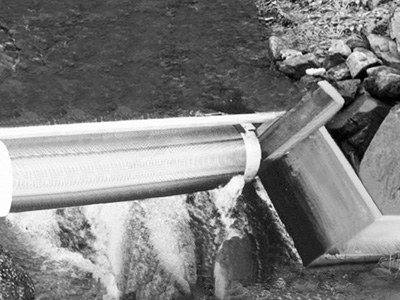
Livestock wastewater is delivered via lift pumps to the top inlet headbox of the screen. An internal weir smooths out turbulence and distributes the liquid evenly across the full width of the curved screen surface.
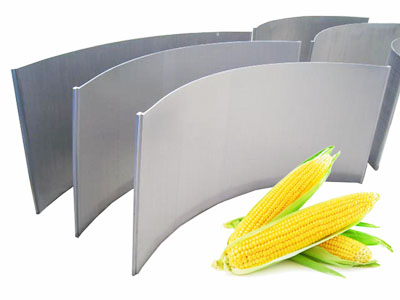
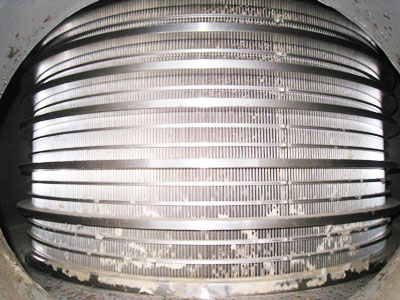
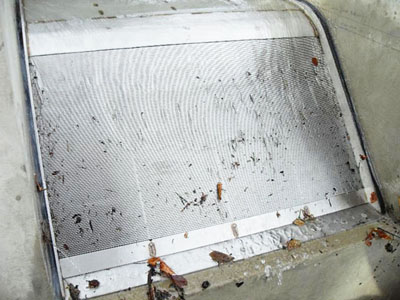
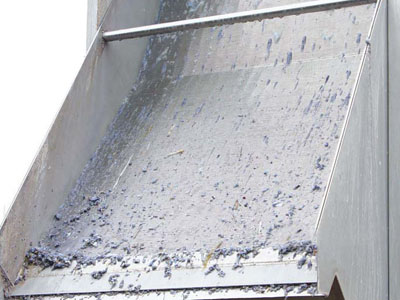
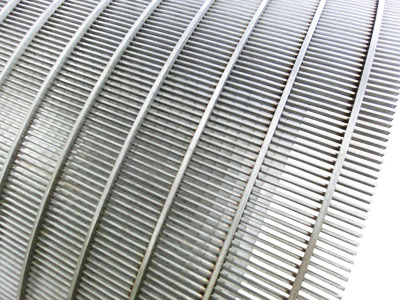
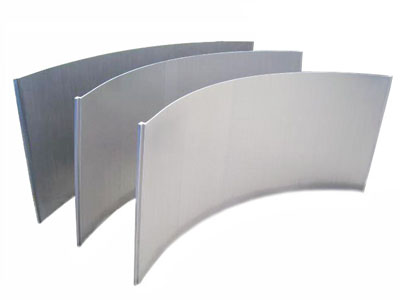
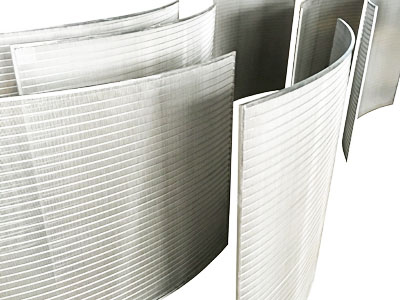
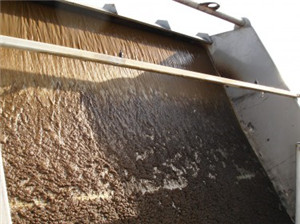
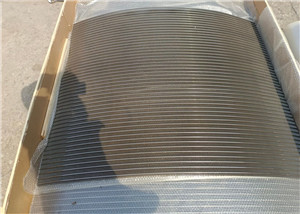
The liquid flows down the curved parabolic surface. As the fluid passes over the transverse wedge wire profile, a shearing action (coanda effect) strips water and fine particles through the narrow screen slots.
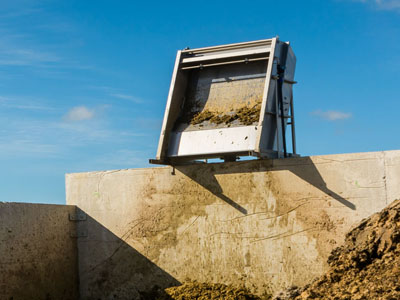
Coarse solids-such as manure fibers, feathers, hair, and unconsumed feed-are retained on the screen surface. Driven by gravity and the kinetic energy of the cascading fluid, these retained solids automatically slide down the screen into a collection trough.
Separated solids undergo further gravity dewatering as they slide down and fall into the collection hopper for composting or organic fertilizer processing. Clarified filtrate collects in the lower sump and flows smoothly to downstream treatment stages.
Typical Applications for Livestock & Resource Recovery Projects
Static sieve bend screens are versatile pretreatment units tailored to diverse agricultural waste :
Farm types | Primary Waste Characteristics | Sieve Bend Benefit |
Swine Farms | High liquid volume from flushing, pig hair, fine manure solids, fine feed dust. | Removes coarse pig hair and feed particles; prevents pump impeller entanglement and pipe blockage. |
Poultry Farms | Feathers, high-nitrogen manure slurry, fine sand, spilled feed pellets. | Filters out floating feathers and coarse solids; protects anaerobic digester nozzles and mixing units. |
Dairy & Cattle Farms | Extremely rich in long cellulose fiber (straw, hay, digested silage), bedding materials. | Extracts coarse fiber, reducing solids load on liquid separation centrifuges and biogas agitators. |
Biogas & Bioenergy Engineering | Consistent solid-liquid slurry feed requirements; sensitive digester biology. | Maintains consistent TS (Total Solids) concentration; prevents floating scum blankets inside digesters. |
Organic Fertilizer Plants | Requires high dry-matter raw material for rapid aerobic composting. | Provides pre-dewatered solids with optimized moisture content for blending and granulation. |
Why Choose Web Wire Mesh Sieve Bend ?
Web Wire Mesh manufactures custom sieve bend screens for engineered specifically for farm wastewater pretreatment
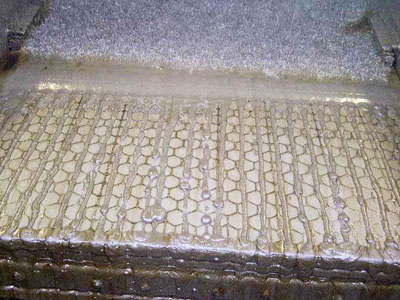
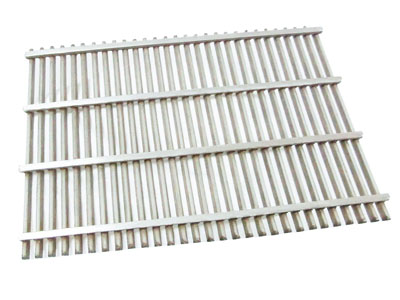
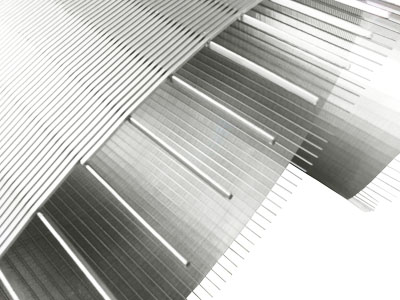
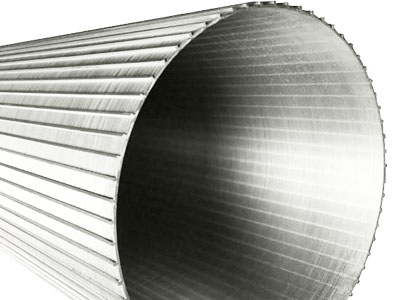
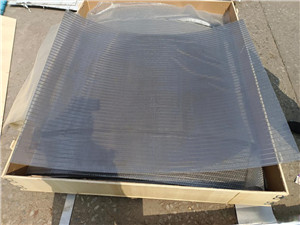
Precision Wedge Wire Structure: Fabricated using continuous V-shaped profile wire welded to support bars. The downward-widening slot design is inherently non-clogging and self-cleaning.
Customizable Slot Accuracy: Available in slot openings from 0.3 mm to 3.0 mm, allowing tailored configuration for optimum solid capture versus volumetric flow rate.
Minimal Maintenance: Operates without motors, gearboxes, or moving parts. Enjoy silent operation and zero electricity consumption during mechanical filtration.
Corrosion-Resistant Stainless Steel: Built from heavy-gauge AISI 304, 316, or 316L stainless steel to resist aggressive manure acids, ammonia corrosion, and continuous abrasion.
High Hydraulic Capacity: Optimized screen curvature maximizes liquid shearing efficiency, allowing compact units to process large volumetric flow rates.
Looking for custom or replacement sieve bend screens for your livestock facility?
Contact the filtration specialists at Web Wire Mesh for technical assistance, CAD engineering drawings, and factory-direct pricing.